
Doom Scrolling: The Endless Scroll That Traps the Autistic and ADHD Mind

Curiosity Leads To Hyperfocus
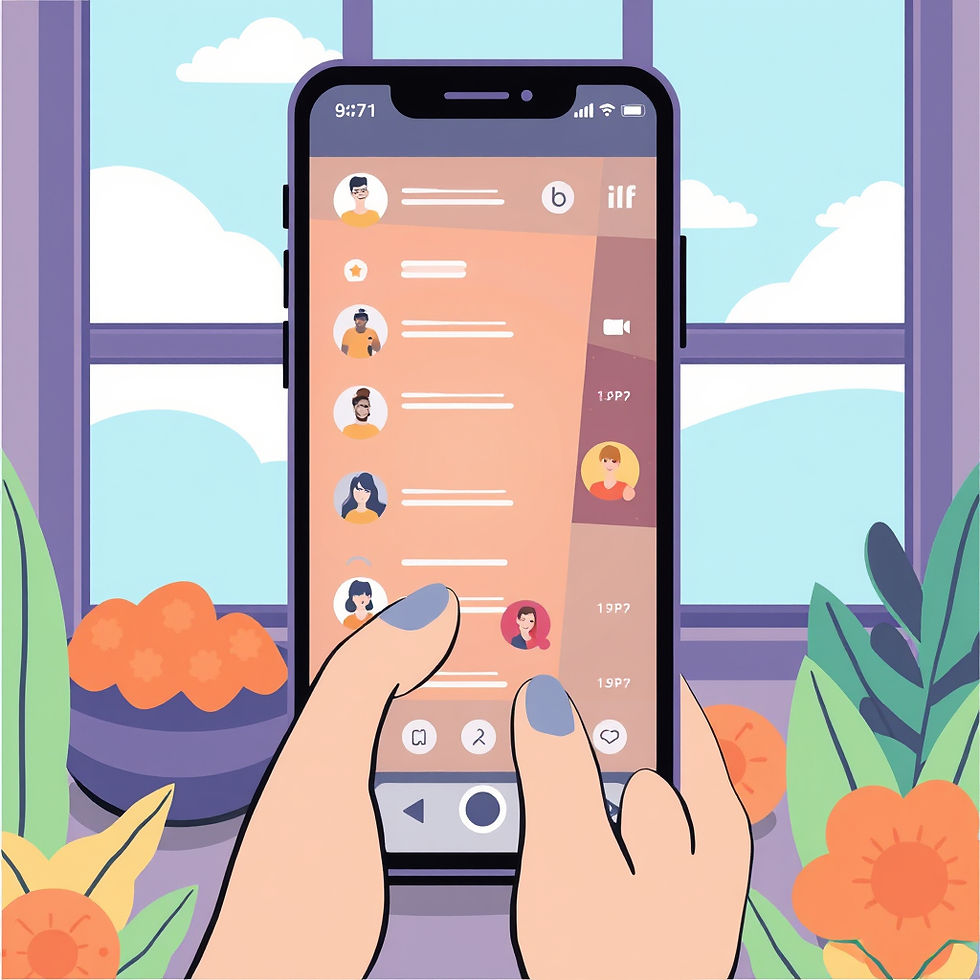
That familiar feeling of a quick refresh / flicking down the page / the hit of another headline that catches the eye: DOOM SCROLLING
But the problem for autistic and ADHD brains, the attraction can be deeper, quicker to take hold and much harder to break the cycle.... This is especially so as neurodivergent minds love information seeking and pattern spotting. What starts out as curiosity, spirals into hyperfocus. A never ender quest to understand what is happening.
The Quest For More Dopamine
An ADHD brain is thirsty for more stimulation. An autistic brain craves for clarity in chaos. The dopamine reward is what social media is designed to give. An endless loop of new details, connections and layers...
Sensory Overload
Social platforms reward engagement with unpredictable reinforcement. Neurodivergent persons can be even more prone to being sucked into algorithms that can amplify special interests, injustice awareness, or crisis content. A video about a specific topic usually leads to another ten more. It becomes an overwhelming mind storm raining down on you. One you find difficult to escape. Feed after feed mirroring and confirming thoughts that compound to further drag you into a difficult to escape procession of thoughts.
Strain On The Body and Mind
Too much scrolling can bring:
Eye strain and insomnia from excessive blue light exposure
Cortisol spikes due to constant emotional arousal
Decision fatigue due to endless micro-choices
Executive dysfunction guilt — as the harsh inner voice says “why can’t I just stop?”
For neurodivergent people already struggling with burnout and sensory exhaustion, that guilt can further deepen shutdown and shame.
Breaking The Cycle & Self Care
To delete every app or locking your phone away for days at a time is most likely totally unrealistic. But creating neurodivergent-friendly boundaries that work with your brain, not against it, is certainly a happy compromise.
Try:
Re-route your curiosity — follow accounts of interest that uplift instead of alarm.
Schedule set scrolling windows — short, intentional check-ins instead of endless grazing.
Sensory grounding breaks — touch grass, stretch, or perform a quick non online task before returning online.
Visual cues — move doom-heavy apps off your home screen and replace with positive alternatives
Accountability with friends — share your goals with a friend or therapist who can help you from a positive perspective
Attention is a finite resource — and for neurodivergent people, it’s often pushed and pulled in more ways than for a neurotypical person.
Learning to reclaim attention for what YOU want isn’t just about self-discipline; it’s also about self-respect.


Comments